


source:other news
release time:2023-04-19
Hits:0
Popular:
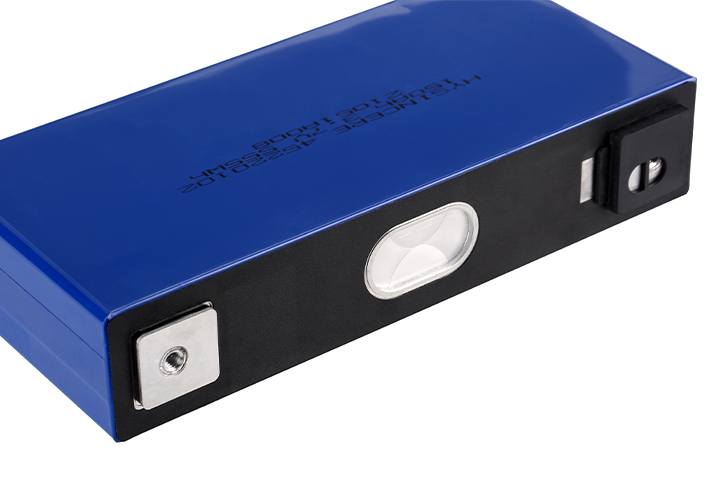
① Magnesium dried batteries with magnesium as negative active substances: The structure is basically the same as that of zinc-manganese dry batteries. The standard electrode potential of magnesium is relatively low, and the electrochemical equivalent is small, which has an excellent condition as a high -energy battery negative active material. For example, the actual energy of magnesium-manganese dry batteries is 4 times that of zinc-manganese dry batteries. The voltage is stable at work. It also has a good working ability at low temperature and can resist high temperature storage. The disadvantage is that there is a voltage lag (after connecting it, it takes a period of time to rise to the termination voltage value), and the lag time is about 2 to 3 seconds; due to the corrosion effect, the magnesium electrode current efficiency is low; it is not suitable for small current for a long time for a long time Intermittent electricity.
② Metal-air battery: The oxygen in the air is used as a positive active substance, and the metal is used as a battery (see the battery) for the negative active substance.
③ Lithium-non-hydrolytic solution battery: The electrochemical equivalent of lithium is about one-half of the magnesium. Therefore, as the negative electrode of high-energy battery, lithium is better than magnesium. However, the lithium and water should be fiercely reacting. Organic solvents or non -water inorganic solvents must be used to prepare electrolyte solutions, and the conductivity of inorganic salt is added. The positive materials used are mainly solid fluoride, chloride, oxides, and sulfides. Most of these batteries are more than 1,000 watt -hour/kg. It is actually higher than energy. For example, the density of lithium-copper (Li/CUF2) batteries at the discharge current is 2 mA/cm 2, and the actual energy can reach 250 watt-hour/kg. Because the electrolyte solution is smaller than the conductivity, the current density cannot be improved, so the lithium-non-hydrolytic solution battery is a high-ratio energy, low-power battery. The lithium -sulfide battery is discharged under heavy burden, especially when the external short circuit will explode.
④ Sodium -sulfur battery: It is a relatively mature secondary battery developed in recent years. Its negative electrode is sodium (NA) of melting metal (NA); positive active substances are melting of sodium polychide (NA2SX), which are usually full of porous carbon and carbon as a positive album. The conductive ceramic tube is needed to separate sodium from polysulfide to prevent self -discharge from direct reactions. In addition, ceramic tube also plays an electrolyte in the battery. When the battery is discharged, the reaction on the negative electrode is 2NA-→ 2NA ++ 2E-NA+
Entering the positive electrode and sulfur reaction through the conductive ceramic tube to form polysum. The discharge is terminated when the sodium of the negative electrode is exhausted. In order to make sodium and sodium polysulfide in liquid, the discharge must be carried out at about 300 ° C. The actual energy of sodium-sulfur batteries has reached 100 watt-hour/kg, and the charging and discharge cycle can reach 2,000 deep discharge cycles, so it is especially suitable for electric batteries for vehicles.
Read recommendations:
Lithium Ion Battery 18650 Pack 11.1V 12V 2000mAh 3000mAh
Optimizing Power Solutions: 10 kVA UPS Battery and 10 kW Solar Systems with Battery Backup
How much do you know about lithium battery?dual purpose marine battery

Last article:Lithium battery capacity Electrolyte decomposition.solar battery for house Manufacturing
Next article:What is the solar high -energy battery?lithium batteries for solar panels Manufacturing
related suggestion
solar power storage Manufacturing
2023-03-20lithium boat batteries Vendor
2023-03-22lithium golf cart batteries Processing
2023-04-07lifepo4 solar battery manufacturer
2023-04-07solar generator for camping
2023-03-20lithium power station Processing
2023-03-2212v deep cycle battery
2023-05-08lithium golf cart batteries
2023-05-08best solar generator for home
2023-05-08whole house solar generator
2023-05-08solar power battery storage
2023-05-08best batteries for off grid solar
2023-05-08Lithium Ion Battery 18650 Pack 10.8V 3500mAh
2025-05-103kw solar portable power station 110v 220v 3000w inverter lifepo4 battery fast charging ups convenient with wheels
2023-04-1251.2V 800Ah 600Ah 200Ah 100Ah Modular Stackable Rack Mount Energy Storage System
2023-02-21Marine Boat 12V 24V 36V Deep Cycle RV Lithium LiFePo4 Battery for Trolling Motor
2022-09-30Lithium Ion Battery 18650 Pack 10.8V 3000mAh
2025-04-10Choosing the Right 12V Battery for Scooters: Performance and Reliability
2025-03-14The Evolution of 18650 Charging: Embracing USB-C Technology
2025-03-19Elevate Your Power Solutions: The Efficiency and Performance of 72 Volt Lithium Batteries
2025-03-17Understanding the Advantages and Disadvantages of Sodium-Ion Batteries for Business Applications
2025-03-14Molicel 21700 Battery Series Review: P42A, P45B, and P50B for High-Performance Applications
2025-05-27Hydrochloric acid battery also has advantages
2022-12-15Which brand of low -temperature lithium batteries is good?
2023-02-10What are the power batteries?lithium ion golf cart batteries wholesale
2023-04-11What is a miniature nuclear battery?lithium deep cycle marine battery Manufacturing
2023-04-07Where do domestic lithium battery pack technologies still need to be imported?
2022-11-25 info@hysincere.com
 Sales manager: Mr.Liu
 Contact number: +86 134 1879 9682
 Headquarter: Room 611, Building D, Bantian International Center, No.5 Huancheng South Road, Bantian Street, Longgang District, Shenzhen, China
China Factory: No.2 Building, Yihengda Technology Industrial Park, Long Jiang 2nd Road, Qingxi Town, Dongguan, China
Vietnam Factory: 4th Floor, Chelsea Residences Tower, No.48 Tran Kim Xuyen,Cau Giay District, Ha Noi City, Vietnam










 中
中
