



source:Battery Technology
release time:2025-03-13
Hits:0
Popular:
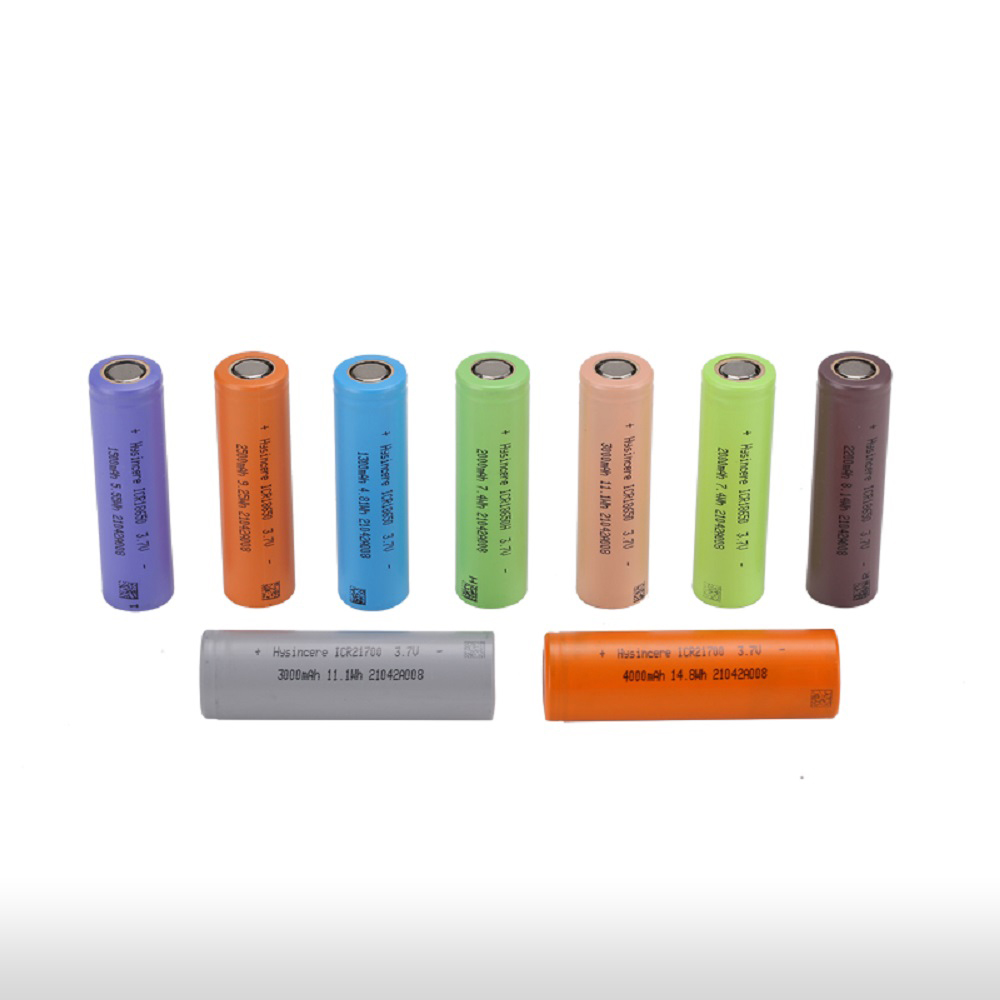
An 18650 battery leaking is a rare but serious issue that can result from various factors, including:
Overcharging or Overdischarging
When a lithium-ion cell is overcharged, excessive heat and gas build-up can cause the electrolyte to leak.
Overdischarging damages the battery’s internal chemistry, leading to structural failure and potential leakage.
Physical Damage
Punctures, drops, or external pressure can compromise the battery casing, causing electrolyte leakage.
Industrial environments must ensure proper handling and storage to avoid mechanical damage.
Manufacturing Defects
Poor seal integrity or low-quality separators in certain batteries can lead to early electrolyte leakage.
Using certified and reputable brands is critical to avoiding defective batteries.
Exposure to High Temperatures
Lithium-ion cells are sensitive to heat. Prolonged exposure to temperatures above 60°C (140°F) can cause thermal runaway, leading to leaks.
Industrial users should store 18650 batteries in climate-controlled environments.
Using Unprotected 18650 Batteries
Unprotected 18650 batteries lack a built-in protection circuit, making them vulnerable to overcharging, overheating, and short circuits.
A protected 18650 battery has a built-in PCB (protection circuit board) that prevents excessive current flow and reduces the risk of leaks.
To enhance safety and longevity, businesses should adopt the following best practices:
Protected 18650 batteries come with overcharge, overdischarge, and short-circuit protection, significantly reducing failure risks.
They are ideal for industrial applications, energy storage systems, and medical devices that demand higher safety standards.
Use high-quality chargers with overcharge protection to prevent thermal stress on battery cells.
Avoid cheap or uncertified chargers that may cause voltage fluctuations.
Keep 18650 batteries in a dry, cool place away from direct sunlight or high temperatures.
Avoid stacking batteries in a way that may cause physical stress or punctures.
Check for bulging, discoloration, or leaking electrolyte as warning signs of potential failure.
Dispose of damaged or leaking batteries following proper hazardous waste protocols.
If an 18650 battery leak is detected, take immediate action:
Do not touch the leaked electrolyte directly, as it may contain corrosive chemicals.
Place the leaking battery in a fireproof container and store it in a well-ventilated area.
Contact a professional hazardous waste disposal service for proper battery disposal.
Inspect and replace other batteries in the same batch to prevent further failures.
While 18650 battery leaks are uncommon, they can be hazardous in industrial applications. By using protected 18650 batteries, implementing proper storage and charging protocols, and conducting regular inspections, businesses can mitigate risks and ensure safe battery operation. Choosing high-quality, certified lithium-ion batteries is essential for preventing leaks and maximizing performance in energy storage, EVs, and other critical applications.
Read recommendations:
lithium batteries for solar panels wholesale
Lithium Polymer Battery Pack for Smart Home Device
Aerial drone high -power battery.lithium boat batteries maker
What is the concept of large -capacity batteries?lithium batteries for solar panels

Last article:Choosing the Right Samsung 18650 Battery for Industrial Applications
Next article:A Comprehensive Guide to Choosing the Right 18650 Battery for Your Business
related suggestion
lithium boat batteries direct sales
2023-04-07lithium ion golf cart batteries Processing
2023-03-22lithium batteries for solar panels direct sales
2023-04-07lithium batteries for boats wholesale
2023-03-22lithium batteries for solar panels Processing
2023-04-07lithium ion golf cart batteries sales
2023-03-2212v solar battery
2023-05-08best power station
2023-05-08deep cycle marine battery
2023-05-08solar powered generator for home
2023-05-08solar battery generator
2023-05-08deep cycle solar battery
2023-05-08Clean Vehicle Motive Battery 12V 100Ah 50Ah LiFePo4
2023-02-14Customizable LiFePo4 Battery for AGV Robot 60V 72V
2023-02-09Forklift LiFePo4 Battery Pack 12V 100Ah 200Ah
2022-09-1976.8V 48Ah LiFePO4 Battery for Electric Motorcycles Scooter Tricycle Rickshaw
2025-05-21Lithium Ion Battery 18650 Pack 11.1V 1800mAh
2025-05-10Why does the lithium iron phosphate battery be swollen?
2022-10-10Is the solid lithium ion battery good or liquid lithium ion battery?solar battery storage system
2023-03-08Why Businesses Should Invest in Sodium-Ion Batteries – A Guide to Finding the Best Sodium Battery for Sale
2025-03-14Why does the low price of lithium iron phosphate make it more widely used?
2022-11-07Choosing the Right Lithium Battery: A Comprehensive Guide
2025-03-12What are the advantages of 26550 lithium battery?
2022-12-0648V ship lithium battery introduction
2023-02-25The difference between "blade battery" and ternary lithium battery
2022-12-02Representation method for primary batteries.12v deep cycle marine battery
2023-08-15Lead carbon battery and lithium ion battery on the market which good?
2022-11-01 info@hysincere.com
 Sales manager: Mr.Liu
 Contact number: +86 134 1879 9682
 Headquarter: Room 611, Building D, Bantian International Center, No.5 Huancheng South Road, Bantian Street, Longgang District, Shenzhen, China
China Factory: No.2 Building, Yihengda Technology Industrial Park, Long Jiang 2nd Road, Qingxi Town, Dongguan, China
Vietnam Factory: 4th Floor, Chelsea Residences Tower, No.48 Tran Kim Xuyen,Cau Giay District, Ha Noi City, Vietnam











 中
中
