



source:Battery Technology
release time:2025-05-22
Hits:0
Popular:
In commercial and industrial applications, motive golf cart batteries are essential for powering electric vehicles used across golf courses, campuses, resorts, and warehouses. However, improper selection, undercharging, or mismanagement of battery systems can lead to operational downtime and unexpected maintenance costs.
This article explores critical factors such as golf cart battery amp hours, what to do when golf cart batteries won’t charge, and how to select and maintain the right motive power batteries for optimal performance.
Motive golf cart batteries are deep-cycle batteries specifically designed to deliver sustained power over extended periods. Unlike automotive batteries that provide short bursts of high energy, motive batteries are built for endurance, ideal for electric carts that require steady energy over hours of operation.
These batteries are available in various chemistries:
Flooded Lead-Acid (FLA)
Absorbent Glass Mat (AGM)
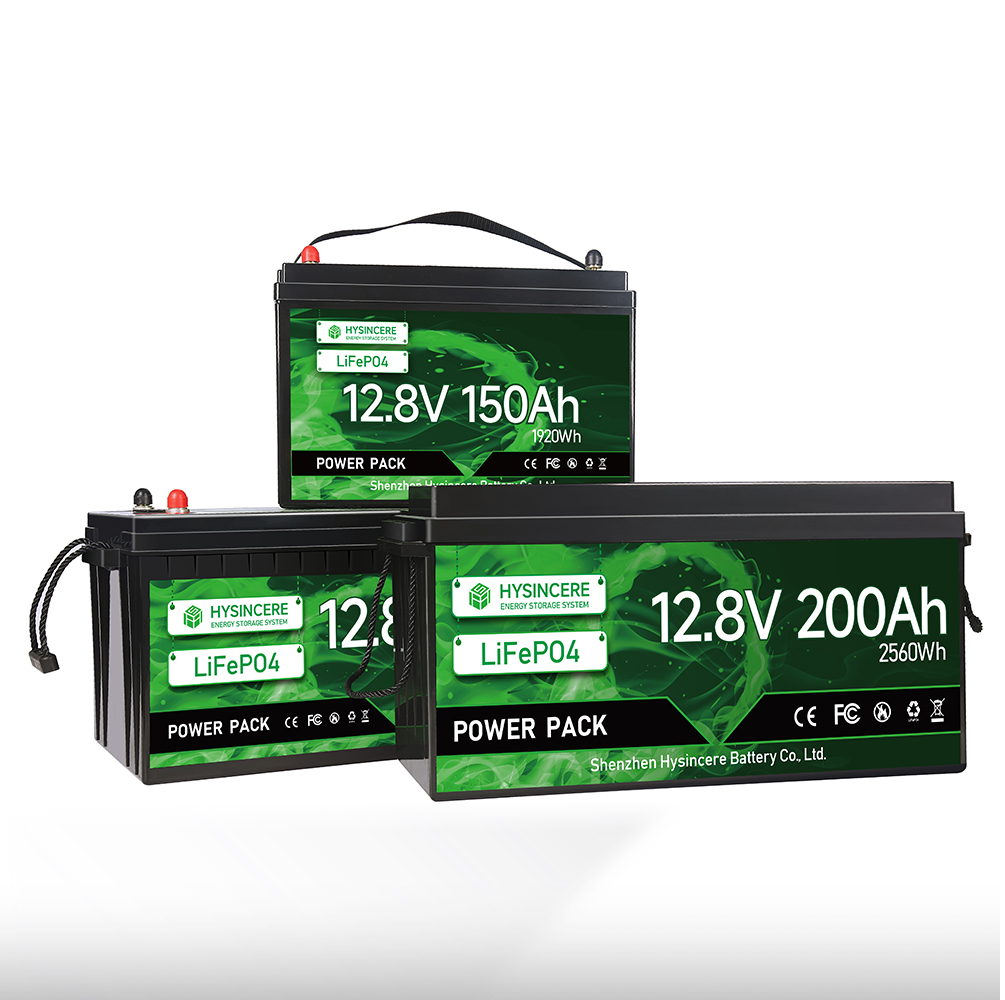
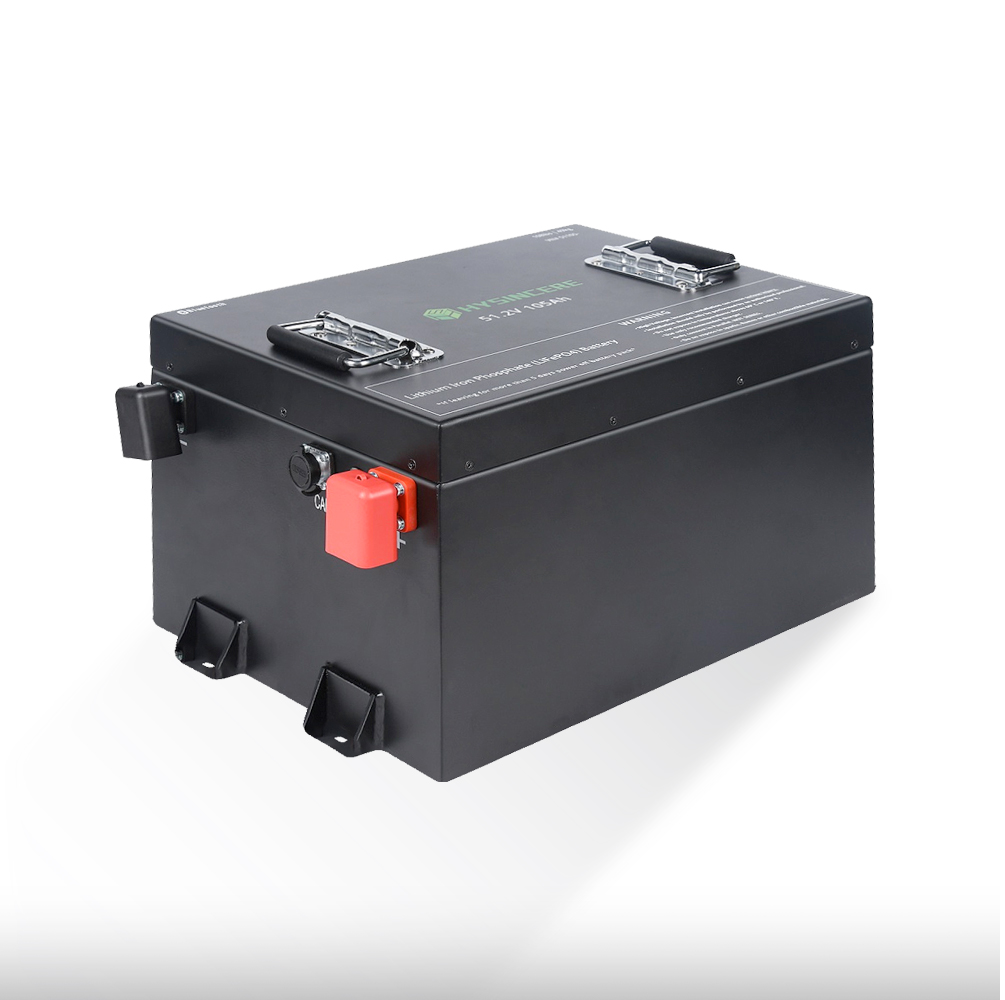
Lithium Iron Phosphate (LiFePO₄)
Choosing the right type depends on your budget, maintenance preferences, and performance requirements.
A critical specification to consider is amp hours in a golf cart battery.
For example:
A 36V system may use three 12V batteries rated at 100Ah each, giving the vehicle extended range.
In high-use commercial settings, choosing batteries with higher golf cart battery amp hours means fewer recharges, less downtime, and more operational efficiency.
When evaluating amp hours in a golf cart battery, companies must consider factors such as:
Daily travel distance
Load weight
Terrain conditions
Expected usage hours
If your golf cart batteries won’t charge, it can disrupt operations and signal deeper issues. Common causes include:
Battery Over-discharge: If a battery’s voltage drops too low, standard chargers may not recognize it.
Charger Malfunction: Ensure the charger is compatible with your battery type and not defective.
Sulfation in Lead-Acid Batteries: Extended disuse can lead to sulfate crystals on plates, reducing charge acceptance.
Damaged BMS in Lithium Batteries: A malfunctioning battery management system (BMS) can block charging for safety reasons.
Preventive Tip: Use smart chargers with equalization and auto-shutoff features, and never store batteries in a discharged state.
For commercial fleets, selecting motive batteries based on golf cart battery amp hours is only part of the equation. Fleet managers should also consider:
Battery life expectancy (cycles)
Weight-to-performance ratio
Total cost of ownership (TCO)
Charging infrastructure availability
Leading brands now offer smart lithium motive golf cart batteries with Bluetooth-enabled monitoring for voltage, temperature, state of charge (SOC), and fault detection—crucial features for company-owned carts used in high-frequency applications.
Optimizing your fleet starts with selecting the right motive golf cart batteries and ensuring your team understands key specifications like amp hours in a golf cart battery. Troubleshooting issues like when golf cart batteries won’t charge requires a mix of technical knowledge and practical fleet management.
For enterprises that depend on electric carts for daily operations, investing in the right battery system ensures uptime, safety, and long-term ROI.
If you're evaluating motive power solutions or need technical advice on battery selection, capacity planning, or charging systems, contact our energy storage experts today.
How to Choose the Best 72 Volt Lithium Battery for Your Golf Cart Fleet
Read recommendations:
60V 48Ah LiFePO4 Battery for Two-Wheeler E-Mobility
Can a Solar Generator Run a Space Heater? An Expert’s Guide
How is the power battery of new energy vehicles generally composed?

Last article:How to Choose the Best 72 Volt Lithium Battery for Your Golf Cart Fleet
Next article:Why Solid State Home Batteries Are the Future of Residential Energy Backup
related suggestion
deep cell marine battery Processor
2023-03-20lithium batteries for boats company
2023-03-22lithium deep cycle marine battery Vendor
2023-03-22lithium batteries for solar panels Production
2023-03-22solar battery storage system Factory
2023-03-20solar battery storage system Production
2023-03-20lifepo4 battery 12v 200ah
2023-05-08best solar generator
2023-05-08solar power battery storage
2023-05-08best battery for home inverter
2023-05-08lithium golf cart batteries price
2023-05-0812v deep cycle battery
2023-05-0818650 Battery Pack 11.1V Lithium Ion Battery for Light
2023-02-1451.2V 26Ah LiFePO4 Battery for Electric Motorcycles Scooter Tricycle Rickshaw
2025-05-19Lithium Ion Battery 18650 Pack 11.1V 2200mAh
2025-05-10802030 400mAh Li-polymer Battery 3.7V
2025-05-16Lithium Ion Battery 18650 Pack 10.8V 3000mAh
2025-04-10Understanding 12-85-13 Battery Specs and 12FM7 Battery Solutions for Industrial Applications
2025-03-14Energy Storage Economics and Geopolitical Realities: A Look at Battery Pricing and the Impact of Conflict
2025-03-20Best 36V Lithium Battery for Golf Cart: The Ultimate Upgrade for Performance and Longevity
2025-03-24Do Solar Power Generators Make Clean Energy?
2022-09-08What are some ways to extend the life of your home battery?
2022-10-28Soft bag lithium battery advantage!portable power station solar
2023-02-18What is a high -power battery?deep cycle trolling motor battery wholesale
2023-04-14Long and deep charging of lithium batteries.best portable power station
2023-06-28Different use of power lithium batteries and general lithium batteries.lithium trolling motor battery
2023-06-16Which of the polymer lithium batteries and 18650 batteries are better?forklift battery Vendor
2023-03-10 info@hysincere.com
 Sales manager: Mr.Liu
 Contact number: +86 134 1879 9682
 Headquarter: Room 611, Building D, Bantian International Center, No.5 Huancheng South Road, Bantian Street, Longgang District, Shenzhen, China
China Factory: No.2 Building, Yihengda Technology Industrial Park, Long Jiang 2nd Road, Qingxi Town, Dongguan, China
Vietnam Factory: 4th Floor, Chelsea Residences Tower, No.48 Tran Kim Xuyen,Cau Giay District, Ha Noi City, Vietnam










 中
中
